

Infertility affects millions of couples worldwide, and approximately one-third of these cases are attributed specifically to female factors of infertility. Conception is a complex biological process that requires the ovaries, fallopian tubes, uterus, and cervix to function in perfect harmony. Any structural or functional disorder within the female reproductive system can act as a barrier to pregnancy.
Understanding these factors is the first step toward a successful fertility journey. If you are also interested in the male perspective, you can read our detailed guide on male factor infertility. Below are the primary components of the female reproductive system involved:
[Image of the female reproductive system]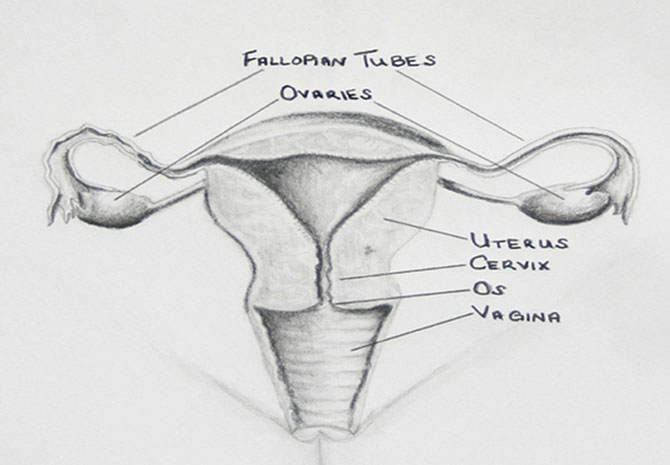
Female fertility peaks in the 20s. Beyond age 35, there is a natural decline in the ovarian reserve, affecting both the quality and quantity of eggs available for fertilization.
Polycystic Ovary Syndrome (PCOS) is a leading cause of infertility. It involves hormonal imbalances (elevated androgens) that prevent regular ovulation, often identified by irregular periods and small ovarian cysts.
[Image of PCOS ovaries compared to normal ovaries]Endometriosis occurs when tissue similar to the uterine lining grows outside the uterus. When it affects the ovaries, it can form "chocolate cysts" (endometriomas), which can damage healthy ovarian tissue.
Infections like Pelvic Inflammatory Disease (PID), Chlamydia, or Tuberculosis can cause scarring. This leads to Hydrosalpinx (fluid-filled tubes), which prevents the egg and sperm from meeting.
[Image of Hydrosalpinx]Fibroids are non-cancerous growths that can distort the uterine cavity. Depending on their size and location, they can interfere with embryo implantation or increase miscarriage risks.
Congenital issues like a septate, bicornuate, or unicornuate uterus result from incomplete fusion during development, often requiring surgical correction to sustain a pregnancy.
A narrow cervix (stenosis) or poor mucus quality can act as a physical or immunological barrier, preventing sperm from ascending into the uterus.
Early diagnosis of female infertility factors can significantly improve your chances of success. Connect with our specialists for a personalized consultation.
© Copyright 2021 Dr. Parzan Mistry.
Designed and Developed by EDM